

Credit score levels explained
Where your score falls on the scale – and what that really means.

Let’s get into the nitty gritty – your credit score range. Now you know what your score is, but how do lenders slot you in the right bucket? Unpack these details so you can see where you stand.
Credit power ranking
The credit ranges categorize your score and place you into five different lanes: exceptional, very good, good, fair and poor. While there’s more than one range of scores, they all follow a similar vibe:

800 to 850:
winning status – the highest score you can get.

740 to 799:
high vibe credit – you’re looking solid in lenders’ eyes.
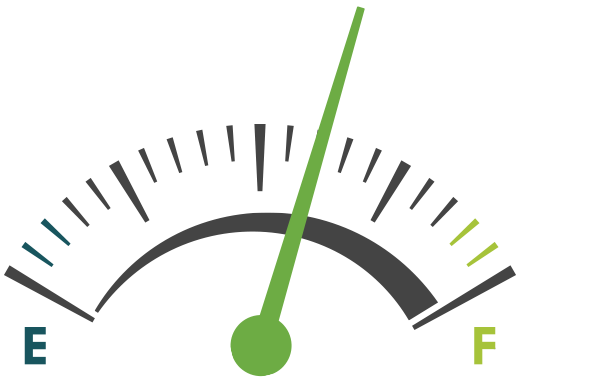
670 to 739:
looking steady – viewed as an acceptable borrower.
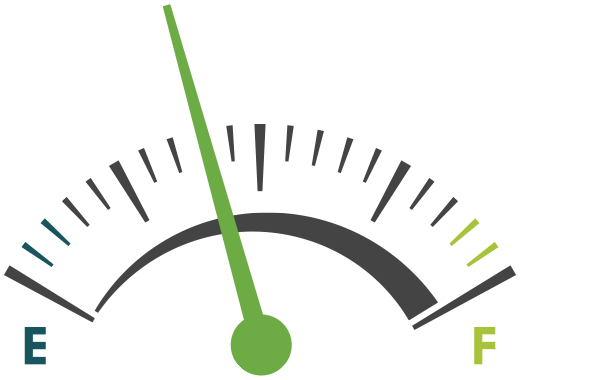
580 to 669:
on the come up – may be considered as high-risk.

300 to 579:
needs a little love – turn to a rebuild credit mode.
The higher the score, the more likely you have an easier time securing a loan than borrowers with lower credit scores.*
What moves the needle
Understanding the factors that drive up your score may guide your financial journey in the “right this way” route and may bump you to the next category. Factors like payment history, credit utilization and length of credit history may help you set the tone.
Want to learn more about how your score works? Check out our blog, The blueprint to your credit score, for the full breakdown.
Stay on the up-and-up
Your credit score is written in pencil, not pen. You may be able to move into the next category as you raise your financial bar. So, if you aren’t in the exceptional category, that’s okay. Give yourself grace and stay on your grind.
*Experian, What is a good credit score?
Exeter Finance LLC is not a credit repair agency or licensed credit counselor. Exeter does not offer services to fix or improve credit scores. These tips are intended for general educational purposes and should not be construed as legal, financial, or credit repair advice.

You're leaving our site
You’re about to visit a third-party site. While we don’t control or endorse its content, we share this link to support your financial journey. Any information you provide or actions you take will be governed by their terms and privacy policies.